








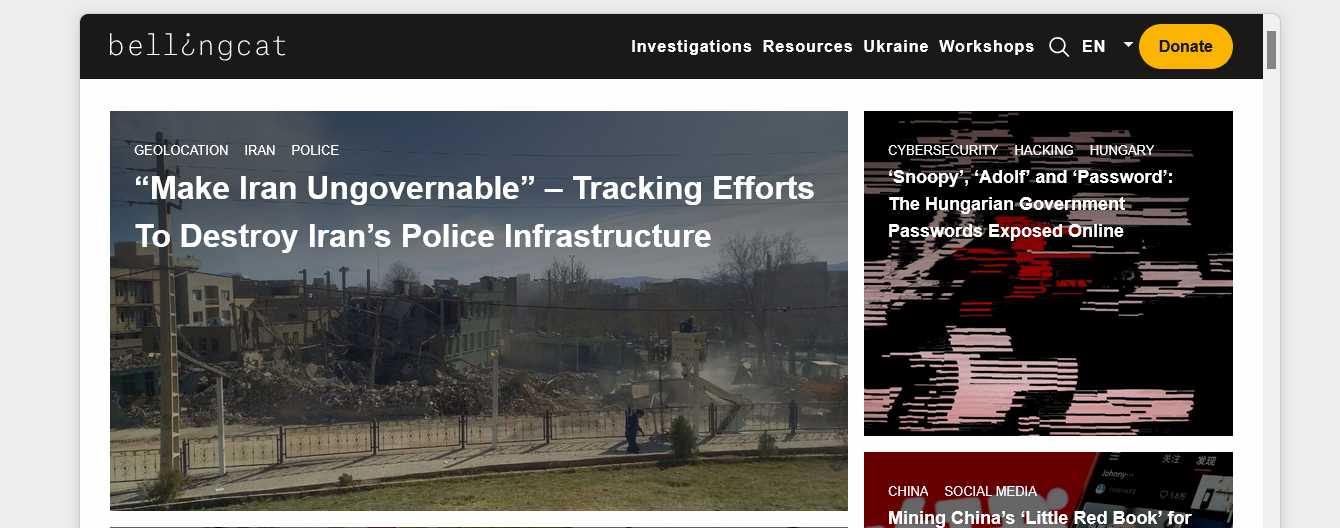
Bellingcat is an investigative journalism organization that was founded in July 2014 by Eliot Higgins, a British citizen who sought to leverage the power of open-source intelligence (OSINT) to uncover truths hidden in complex global narratives. The organization’s mission is to utilize a wide array of digital tools and crowdsourced information to investigate critical stories related to armed conflict, human rights violations, and corporate malpractice, among other issues. By democratizing the processes of journalism, Bellingcat aims to empower individuals and communities to seek the truth.
The core principles of Bellingcat revolve around transparency, reproducibility, and collaboration. The organization rigorously documents its findings and methodologies, enabling other journalists and researchers to replicate its processes. This transparency not only builds trust within the community but also helps validate the work produced, particularly when addressing controversial topics. Bellingcat has pioneered methods for tracking and verifying information using various digital platforms and tools, which sets it apart from traditional investigative journalism outlets.
Bellingcat has attracted significant international attention for its innovative approach. By utilizing social media, satellite imagery, and other publicly available resources, it has been able to uncover critical evidence regarding events such as the downing of Malaysia Airlines Flight MH17 and chemical weapon attacks in Syria. Such endeavors exemplify how Bellingcat distinguishes itself in the landscape of journalism; instead of relying solely on official sources, it harnesses the collective power of the public and technology. Through its effective use of open-source data, Bellingcat not only highlights important stories in the dark corners of the internet, but it also contributes to discussions surrounding ethics in journalism and the responsibility of media in the digital age.
The Role of Darkweb in Hosting Bellingcat
Bellingcat, a renowned investigative journalism group, has marked its presence within the darkweb for various compelling reasons. The darkweb, often synonymous with anonymity and illicit activities, provides a unique operating space for Bellingcat that aligns well with its mission to investigate and expose corruption and human rights abuses worldwide. By utilizing this platform, Bellingcat ensures the protection of its data and sources, a vital factor considering the sensitive nature of its reporting.
The choice to host aspects of its operations on the dark web allows Bellingcat to operate with reduced exposure to surveillance and censorship, often encountered on the conventional internet.
However, operating in a realm often associated with illicit activities presents distinct challenges. The darkweb may pose barriers to audience reach, as mainstream users may lack the know-how to access such sites securely. Additionally, there exists a stigma attached to the darkweb, which could overshadow the credibility of Bellingcat’s investigative work. Nevertheless, the benefits of operating in a secure and anonymous environment frequently outweigh these limitations.
In conclusion, the decision to utilize the darkweb has allowed Bellingcat to enhance the security and integrity of its operations, while simultaneously reaching audiences operating in constrained environments. This strategy, though fraught with challenges, underscores the group’s dedication to impactful investigative journalism.
Investigative Techniques Used by Bellingcat
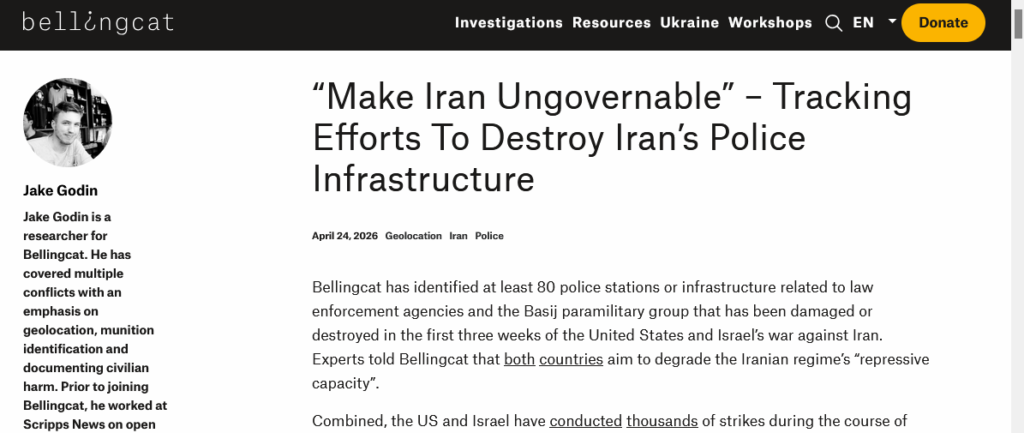
Bellingcat has pioneered a variety of investigative techniques that have redefined modern journalism, particularly in the realm of open-source intelligence (OSINT). This method involves collecting and analyzing publicly available data, which can include anything from social media posts to satellite images. OSINT plays a crucial role in Bellingcat’s ability to verify events and provide credible darkweb news. Utilizing these sources enables the organization to uncover facts that traditional investigative journalism might overlook.
Geolocation is another significant method utilized by Bellingcat. By using various tools and techniques, they are able to pinpoint the location of video footage or photographs, which helps establish the context of an incident. For instance, determining the geographical coordinates of images can confirm or debunk narratives surrounding events, which is particularly vital in conflict zones. Moreover, the integration of satellite imagery adds a different dimension; it aids in corroborating information sourced from the ground, offering a comprehensive view of the situation.
These methodologies collectively enable Bellingcat to provide in-depth, accurate, and timely reports that contribute to the broader understanding of world events and complexities. As a result, the influence of Bellingcat’s investigative techniques extends far beyond individual stories, prompting discussions about transparency, accountability, and the role of citizen journalists in contemporary news landscapes.
In summary, Bellingcat’s contribution to darkweb news and its commitment to transparency represents a significant advancement in the field of investigative journalism. By fostering accountability, the organization challenges established norms, prompting stakeholders to reconsider their approach towards the dissemination and consumption of information.