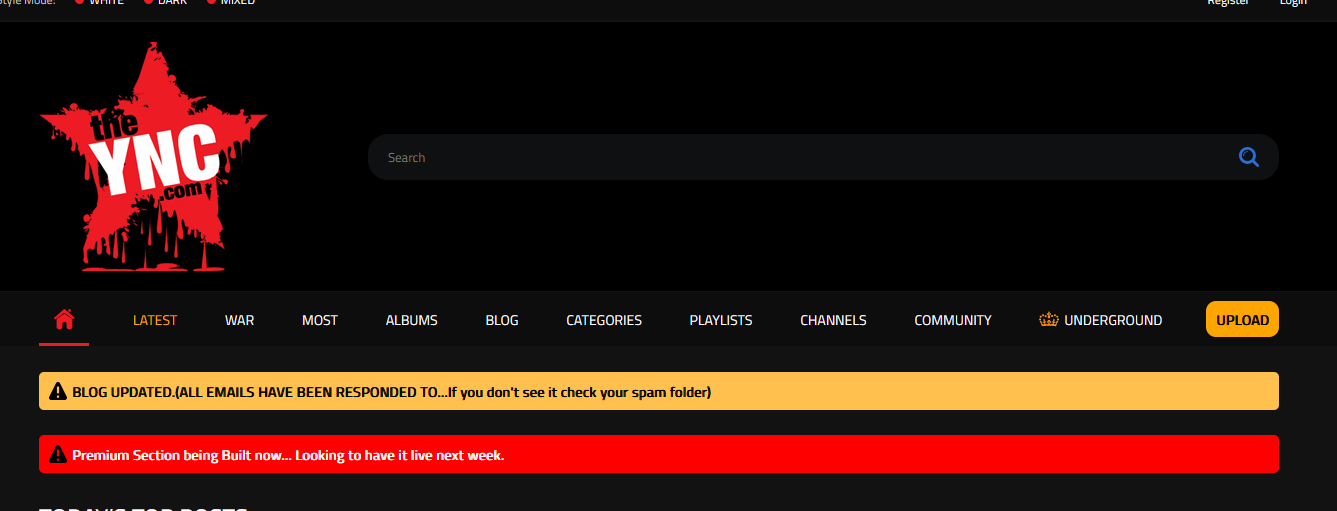









Crazyshit , users can expect to encounter a variety of content that delves into the themes of gore and death, often accompanied by graphic imagery and videos. The content available includes videos of real-life incidents, images depicting violence, and other shocking visuals that some may find disturbing.
However, it is imperative to tread lightly and understand that the content may not be suitable for all viewers. Each piece of media carries its own emotional weight and requires a degree of viewer discretion; mental preparedness is essential when engaging with this type of content.
The site also hosts a robust user interaction component, where individuals can comment on posts, share their thoughts, and engage in discussions with others. This community aspect can foster camaraderie among users who share similar interests in darker themes. However, it is crucial for users to adhere to community guidelines to maintain a respectful environment.
Some media may serve as cautionary tales or learning experiences rather than mere shock value. Users should approach each post with an open mind and a discerning eye to fully appreciate the complexities within the “crazyshit” genre. Engaging thoughtfully with the content can lead to a more meaningful experience, ultimately enhancing one’s interaction with the community.
Understanding Gore and Death Content of CrazyShit
Gore and death content represents a genre that elicits a significant reaction from audiences, serving as a medium for exploring the darker aspects of human existence. This type of content often includes graphic depictions of violence, lifeless bodies, and the inevitable realities of mortality.
The dramatic depictions of carnage and despair challenge the viewer’s perception of reality, often invoking a sense of fear or fascination. This thrill can lead to addictive viewership, as individuals may seek out these extreme representations to push their boundaries and explore their own psychological limits.
Additionally, societal taboos surrounding death often heighten the intrigue of such content. Death is a natural and inevitable part of life, yet it remains a subject that many people are reluctant to discuss openly. As a result, the media surrounding gore and violent death acts as a means of confronting the uncomfortable truths of mortality. It allows individuals to engage with their fears in a controlled environment, leading to a cathartic experience.
The underlying themes of gore and death also resonate on a deeper level, reflecting humanity’s fascination with mortality and suffering. Audiences may grapple with philosophical questions about the meaning of life and death, presenting an opportunity for self-reflection and understanding.
The History of Gore in Media
The theme of gore and death has been a pervasive element in various forms of media, traceable back to early horror films of the 20th century. These films often showcased stylized depictions of violence, utilizing practical effects to create visceral experiences for the audience. Notable examples from this era include classics like Nosferatu and Psycho, which incorporated elements of fear and the macabre, ultimately setting the stage for more graphic portrayals of violence.
As the horror genre evolved, the 1980s and 1990s brought about significant changes in the representation of gore. This era marked a pivotal shift in audience expectations, paving the way for the emergence of slasher films and splatter cinema, where graphic depictions of death became a staple.
With advancements in technology, the integration of CGI and other visual effects techniques further transformed the landscape of gore in media. Contemporary films can now depict scenes of violence and death with unprecedented realism, influencing audience perceptions. The rise of the internet has also catalyzed a new era for gore and death themes. Platforms like Crazyshit.com have emerged as hubs for content that thrives on shock value, presenting users with a plethora of videos and images that often border on the grotesque.
This shift not only reflects changing societal tolerances towards gore but also emphasizes the role of online platforms in shaping cultural discussions surrounding such content. Indeed, Crazyshit.com and similar websites have become significant players in the dissemination of gore and death media, appealing to a niche audience intrigued by the bizarre and unsettling aspects of human experience. Thus, the historical trajectory of gore in media serves to illuminate both artistic expression and societal fascination with death and violence.

Impact of Gore and Death Content on Society
The consumption of gore and death content, particularly through online platforms like Crazyshit.com, raises significant sociological questions about its impact on individuals and society as a whole. Research suggests that the regular exposure to such extreme content can lead to desensitization, where individuals may become less sensitive to real-life violence and suffering.
When individuals frequently engage with gore and death content, it can alter their perceptions of violence, potentially making it seem more acceptable in everyday life. This shift can influence a variety of behavioral outcomes, from decreased empathy towards victims of crime to an increased willingness to engage in aggressive behaviors.
Ethical discussions also surround the sharing and consumption of gore and death material online. Critics argue that such content can exploit human suffering for entertainment purposes, raising questions about the morality of viewing and sharing graphic visuals without context or sensitivity to the implications of violence. In contrast, some proponents suggest that consuming this content can serve as a form of catharsis or reflection on society’s darker aspects. Nonetheless, the delicate balance between freedom of expression and social responsibility remains a pertinent challenge in contemporary discourse about media consumption.