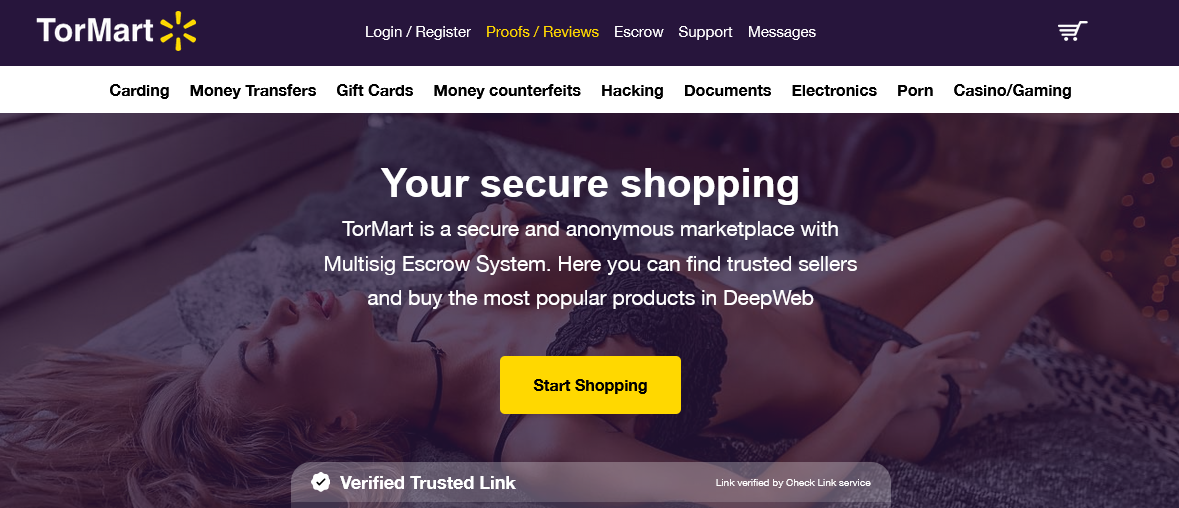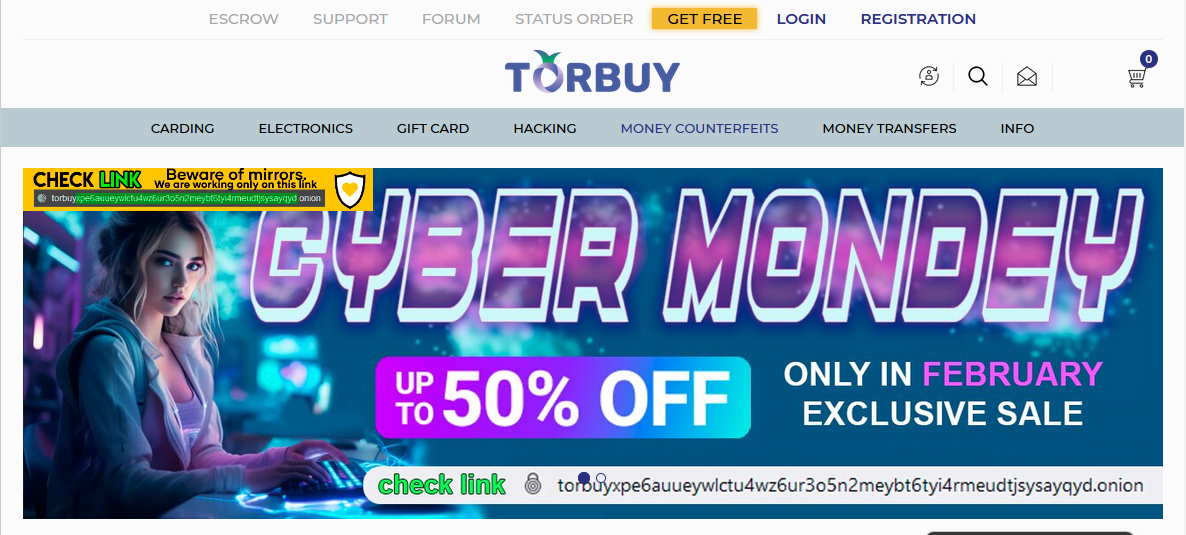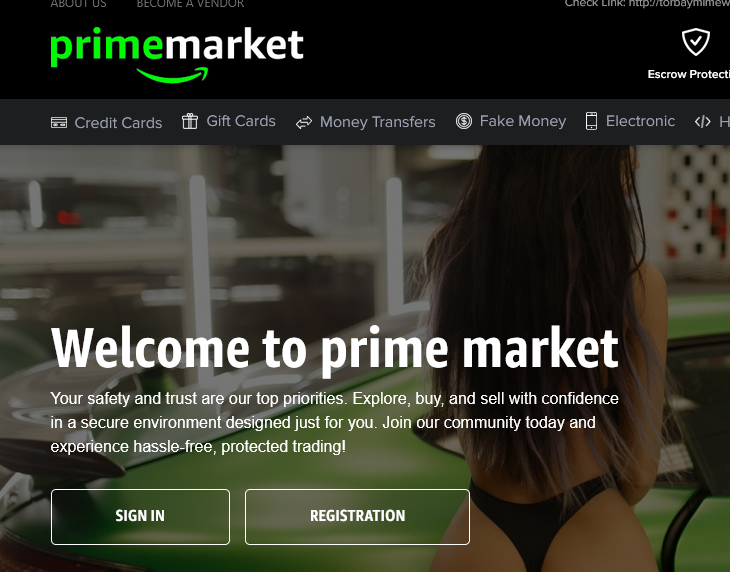
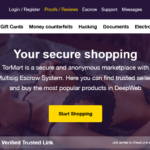
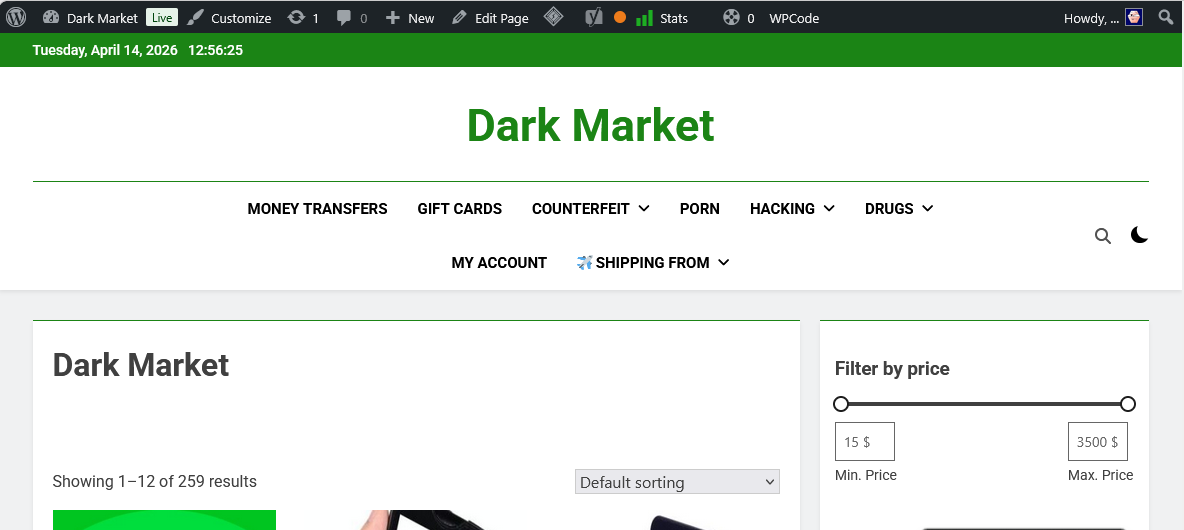
Dark market , often referred to as underground or black markets, represent a segment of the internet that is not indexed by traditional search engines and is known for hosting an array of illicit goods and services. Operating primarily on the dark web, these marketplaces offer anonymity and a level of privacy that appeals to both buyers and sellers involved in illegal activities.
The term “dark market” encompasses a diverse range of commodities, including drugs, weapons, counterfeit currency, and stolen personal information. This variety illustrates the breadth of illegal online activities that take place within these marketplaces. Though some dark markets may also facilitate the exchange of legal goods, the overwhelming association with illicit trade creates a significant stigma.
Key terminology related to dark markets includes terms such as “vendors,” who sell products or services, and “escrow,” a system that ensures that transactions proceed securely, protecting both buyers and sellers in the process.
They challenge traditional law enforcement methods and raise ethical questions surrounding privacy, regulation, and the balance between security and freedom on the internet. As technology evolves, so too do the methods utilized by users of these dark marketplaces, ensuring that they remain a prominent topic of discussion in contemporary dialogue about cybercrime and online anonymity.
Key Offerings of Dark Market
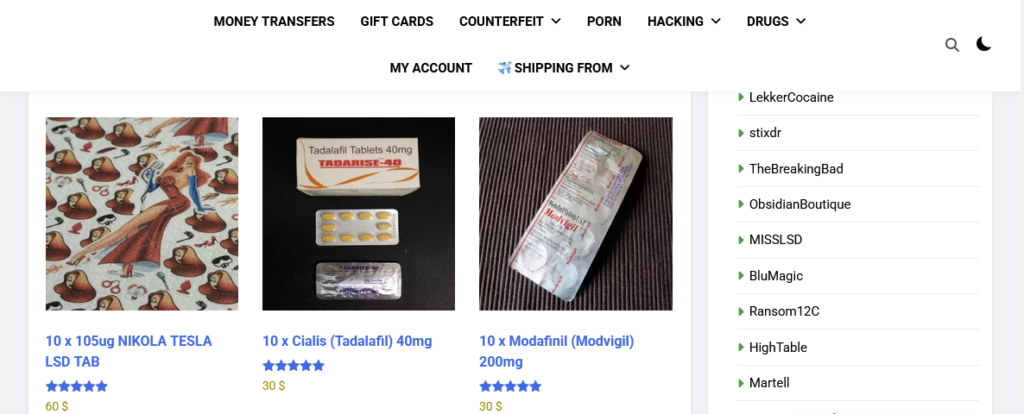
Dark markets provide a varied range of products and services, encompassing areas that are often illegal or highly regulated. One of the most prevalent offerings on these platforms is illegal drugs. Users can find a plethora of substances ranging from marijuana to more potent narcotics like cocaine and ecstasy. This illicit trade thrives due to the anonymity provided by both cryptocurrencies and encrypted communication, making it difficult for law enforcement to track transactions and sellers.
Counterfeit goods also constitute a significant portion of dark market offerings. Buyers can obtain fake luxury items, electronics, and even personal identification documents. The prevalence of counterfeit products not only endangers consumers but also undermines legitimate businesses.
Users can engage in money laundering or transfer funds without the oversight typical of conventional banking systems. This facet of dark market trade is particularly concerning, as it enables various illicit activities while complicating efforts to combat financial crimes.
Skilled individuals offer hacking capabilities for various purposes, from stealing data to performing denial-of-service attacks. These services attract a wide range of clients, from disgruntled employees to criminal organizations, willing to pay for access to sensitive information or functionality that can disrupt services.
The purchasing process on a dark market typically involves creating an account on the specific platform, browsing listings, and using cryptocurrencies to complete transactions. Because of the inherent risks of these activities, buyers often utilize complex strategies to protect their identities and avoid detection.
Trust and Reputation in Dark Market
Trust and reputation are pivotal elements in the functioning of dark markets, where transactions often take place without the assurances found in traditional retail environments. In the absence of physical presence, buyers and sellers rely heavily on user feedback systems to gauge the reliability of potential trading partners. These feedback mechanisms typically allow users to leave reviews and ratings based on their experiences, creating a transparent record of trustworthiness that influences future transactions. High ratings can significantly enhance a seller’s reputation, while negative feedback can deter potential customers.
Furthermore, escrow services play a crucial role in fostering trust within dark markets. These services act as intermediaries, holding the buyer’s payment until the seller fulfills their part of the agreement. By using an escrow service, participants in dark markets can mitigate the inherent risks associated with anonymity, thereby strengthening the overall security of transactions.
When choosing a dark market, customers consider several factors to ensure the safety and reliability of their purchases. Reputation rankings provided by user feedback systems, the presence of escrow services, and the transparency of operation are all critical elements that inform user decisions. Buyers are more likely to trust markets that exhibit robust systems for verifying seller identities and protecting payment. Additionally, active community discussions and forums surrounding the dark market can also serve as invaluable resources for potential customers, offering insights into the reliability of various platforms.
The Risks and Challenges of Navigating Dark Market
Accessing dark markets comes with a myriad of risks and challenges that potential users must consider carefully. One of the most pressing concerns relates to legal implications. Engaging in transactions on dark markets often involves purchasing illegal goods or services, such as drugs, counterfeit items, or hacking services. Participating in such activities can lead to serious legal repercussions, including arrest and prosecution by law enforcement agencies. Therefore, individuals must understand the legal context of their engagement with dark markets, which varies significantly from one jurisdiction to another.
Another significant challenge is the prevalence of scams within these online environments. Dark markets are notorious for accommodating fraudulent sellers who take advantage of anonymous transactions. Buyers may find themselves in situations where they pay for goods that never arrive or receive substandard products.
On top of legal and financial risks, cybersecurity threats are substantial when navigating dark markets. Users expose themselves to malware and phishing attacks, particularly if they do not employ best practices for online safety. Many users inadvertently compromise their own security by using weak passwords or engaging in transactions over unsecured networks. Consequently, it is crucial to use secure channels, anonymizing tools, and robust antivirus software when accessing these markets.
Engaging in illegal trade can lead to heightened anxiety and stress, stemming from fear of detection or potential repercussions. Additionally, the nature of transactions may influence users’ morals and how they perceive legality and ethics in personal conduct.
In summary, while dark markets offer unique opportunities, they also present considerable risks that individuals must navigate with caution. Understanding these challenges is imperative for anyone considering participation in this clandestine realm of online trade.